
401 North Ave Ste. 9, Villa Park, IL 60181

Is a Swollen Jaw a Sign of a Dental Abscess? SmileOne’s Warning Signs


You might have noticed your swollen jaw. You thought it would be fixed by itself. But as night falls, your jaw makes it harder for you to even sit still.
Many of us have experienced such a situation.
The truth is, a swollen jaw is never something to ignore, especially when it could indicate a serious underlying issue, such as a dental abscess. Dental abscesses are infections that can cause excruciating pain and swelling around the affected tooth or gums. These infections occur when bacteria from untreated cavities, gum disease, or trauma to the area invade the tooth.
If you’re dealing with a swollen jaw, you require immediate care from a dental professional.
At SmileOne, we shed light on what may be causing the swelling and how we can help you find relief. If you’re in Villa Park and facing a swollen jaw, don’t wait for the pain to worsen. Our dental team can help determine whether an abscess is causing your jaw condition or something else, and provide treatment before the infection spreads.
What Is a Dental Abscess and Why Does It Cause Jaw Swelling?
A dental abscess is a pocket of pus that forms due to a bacterial infection. This infection can develop at the root of the tooth (periapical abscess) or in the gum tissue around the tooth (periodontal abscess). When bacteria invade the tooth or gums, they can cause inflammation, which may lead to swelling of the tissues in your jaw. In many cases, a dental abscess can cause a severe throbbing pain that radiates across your face or jaw, making everyday activities like eating or talking unbearable.
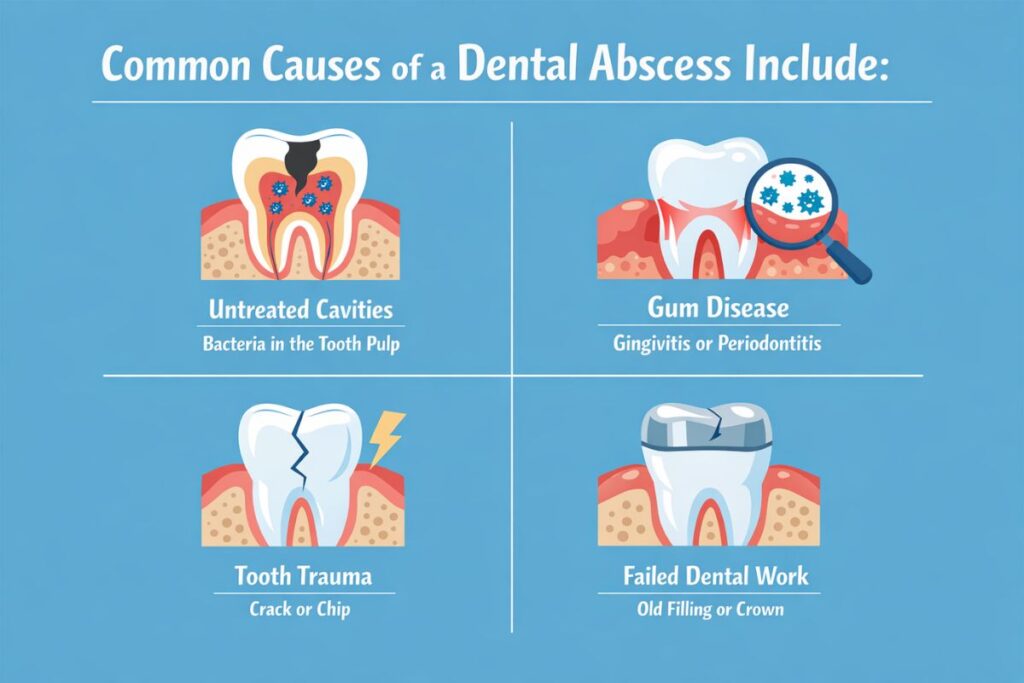
Common Causes of a Dental Abscess Include:
- Untreated cavities that allow bacteria to reach the tooth pulp
- Gum disease (gingivitis or periodontitis) that compromises the gum tissue
- Trauma to the tooth, such as a crack or chip, which allows bacteria to enter
- Previous dental work that may have failed, such as a filling or crown
Understanding the root cause of your swollen jaw is crucial because it can help determine the best treatment plan for your condition.
Warning Signs of a Dental Abscess
If you’re dealing with a swollen jaw, here are the common signs that could indicate a dental abscess:
- Throbbing pain in your tooth or jaw: The pain may come and go, but it often worsens when you lie down or try to chew.
- Red, swollen gums or face: Infected areas will become visibly swollen and tender to the touch.
- Sensitivity to heat and cold: Abscesses can increase sensitivity, making eating or drinking anything hot or cold unbearable.
- Foul taste or smell in the mouth: This occurs when the abscess ruptures and the infection begins to drain.
- Swollen lymph nodes in the neck or under the jaw: This may indicate that the infection is spreading and requires immediate medical attention.
While a swollen jaw could indicate a dental abscess, it’s important to remember that there are other potential causes, such as TMJ disorders or salivary gland infections. Therefore, consulting with a professional is essential to rule out other conditions.
How an Emergency Dentist in Villa Park Can Help
If you are experiencing jaw swelling along with any of the symptoms mentioned above, seeking care from an emergency dentist in Villa Park is vital. Left untreated, a dental abscess can lead to severe complications, including the spread of infection to other parts of your body. At SmileOne, we specialize in emergency dental care and can quickly assess the situation to determine whether a dental abscess is present.
What You Can Expect During Your Visit:
- Thorough examination: We’ll evaluate the source of your swelling and pain.
- Imaging: X-rays may be needed to confirm the presence of an abscess and check for potential damage to surrounding tissues.
- Drainage and antibiotics: In many cases, abscesses need to be drained to relieve pressure, followed by a course of antibiotics to clear the infection.
- Restorative care: After the infection is under control, we may need to repair or replace damaged teeth to prevent further complications.
Don’t wait for the pain to get worse. Reach out to SmileOne today and let us help restore your health and comfort.
Preventing Dental Abscesses: Tips for Healthy Teeth
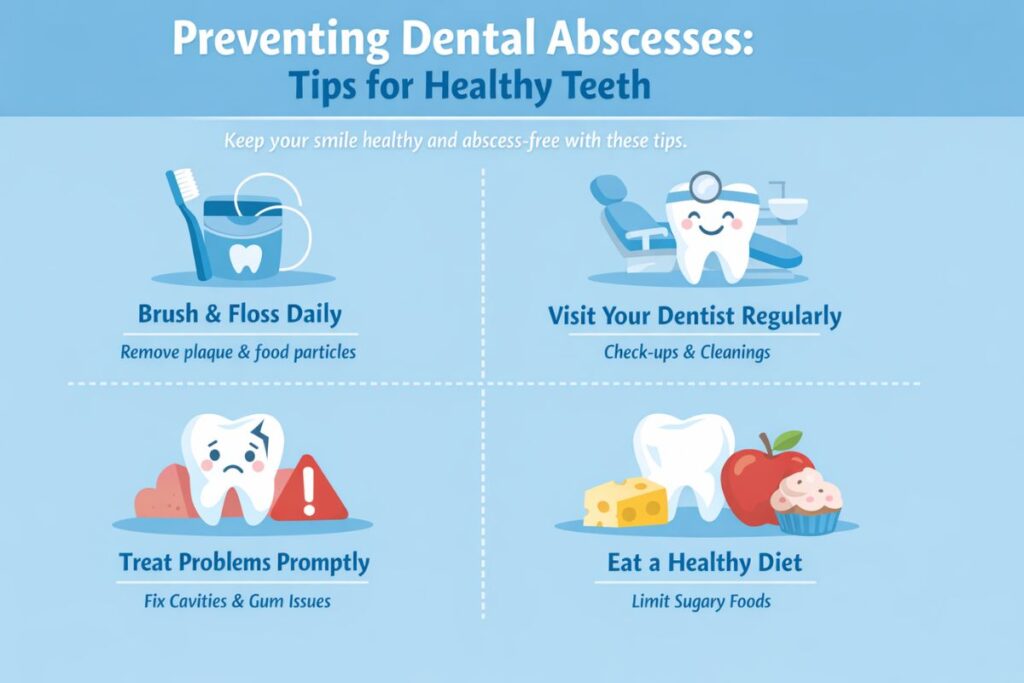
While dental abscesses can be alarming, many are preventable with proper dental hygiene. Here are a few tips to help reduce the risk of developing an abscess:
- Brush and floss daily: Regular brushing and flossing help remove plaque and food particles that can lead to cavities and gum disease.
- Visit your dentist regularly: Professional cleanings and routine check-ups help catch issues like cavities early before they lead to infection.
- Treat dental issues promptly: Address cavities, gum disease, or any tooth trauma as soon as possible to avoid infection.
- Maintain a healthy diet: A balanced diet with limited sugary foods helps prevent plaque buildup and supports oral health.
By following these guidelines, you can greatly reduce your risk of developing dental abscesses and keep your smile healthy for years to come.
If you’re dealing with jaw swelling, don’t wait. A dental abscess could be the cause, and the longer you wait, the more severe the complications can become. SmileOne is here to provide emergency dental care when you need it most. Contact us today to schedule an appointment with our skilled team and get the treatment you deserve. If you’re in Villa Park, don’t hesitate, reach out now to resolve your dental issues quickly and effectively.
People Also Ask
1. What does a dental abscess look like?
A dental abscess often appears as a swollen, red, or painful bump near the affected tooth or gum. It may be accompanied by a foul taste or smell.
2. Can a dental abscess go away on its own?
While a dental abscess may drain and temporarily relieve pain, it’s crucial to seek professional care. The infection can return and lead to more severe complications without proper treatment.
3. How can I prevent a dental abscess from forming?
Good oral hygiene, regular dental visits, and prompt treatment of cavities or gum disease can help prevent abscesses.
4. What are the risks of not treating a dental abscess?
Untreated abscesses can spread the infection, leading to severe pain, tooth loss, or systemic infection that may affect other parts of the body.
